Evaluating Little Miss Cotton Tail Easter Day for Your Seasonal Product Line
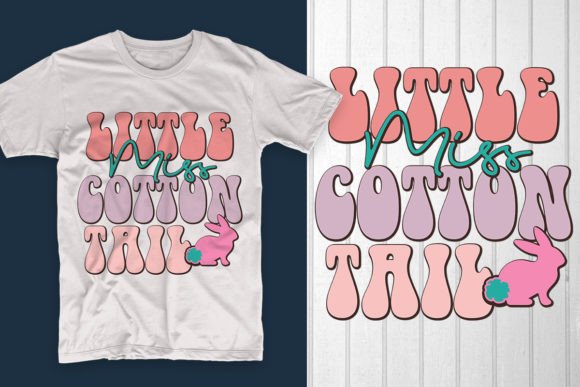
As someone who builds seasonal collections for Etsy and Shopify, my first step with any new graphic design asset is a practical evaluation. The Little Miss Cotton Tail Easter Day bundle presents itself as a fully updated, print-ready Easter SVG design intended for apparel and crafts. My immediate impression is a design leaning into a playful, cute, and festive mood. It has a niche appeal for audiences seeking traditional Easter themes with a feminine, decorative touch. This visual personality could attract buyers looking for family-friendly Easter Day t-shirt designs, mug graphics for mothers, or craft projects for a spring celebration.
Testing the Design Across Multiple Product Formats
Before listing anything in my shop, I test a digital product across the formats I intend to sell. The description suggests this SVG bundle is suited for t-shirts, hoodies, mugs, bags, decals, and card making. That’s a broad range, which is promising for a bundle. In a real shop scenario, I would first use the core graphic to create product mockups for key items. I’d apply it to a t-shirt mockup, a ceramic mug, and a tote bag to gauge its adaptability. The goal is to see if the illustration scales well and retains its charm on different products.
From there, I’d explore its potential in other digital product areas. Could this design be cropped or adapted into printable wall art for a nursery? Could elements be isolated to create planner stickers or a greeting card template? For a Cricut project, the SVG file’s cut lines would need to be clean and well-defined for creating decals or scrapbooking elements. As a Canva template seller, I might consider integrating the design into a social media template bundle for small businesses promoting Easter sales. This kind of cross-format testing is crucial to maximize the return from a single commercial design purchase.
Product Presentation and Marketplace Appeal
How an asset looks in your listing images directly impacts click-through potential and perceived value. Little Miss Cotton Tail Easter Day, if visually strong, can help with brand consistency within a seasonal Easter collection. Using it across a coordinated set of products—like a t-shirt, a mug, and a digital card—creates a visual storytelling effect that builds customer trust. It suggests a thoughtful, professional shop.
For product presentation, I would use it prominently in large, clean mockup previews. A well-rendered mockup of the design on a crisp white t-shirt thumbnail can be very effective. I’d also test it on a dark background mockup to ensure contrast remains high, which is often a weak point for some illustrations. The festive, decorative nature of this asset likely works best in thematic bundles and decorative layouts, not in minimalist or text-heavy templates. Its appeal is in its decorative completeness.
Where This Easter Design Excels and Where to Exercise Caution
Based on its described use, this graphic design asset likely excels in larger format applications. Think merchandise graphics like full-face mug designs or the central art on a tote bag. It should work well for digital downloads intended for home printing, such as wall art or card fronts. For social media promos promoting a seasonal product line, key elements could be extracted to create engaging blog graphics or promotional visuals.
However, careful evaluation is needed in specific areas. If the design is overly detailed, it might fail as a tiny sticker detail where fine lines become muddled. In crowded marketplace thumbnails, a busy design can lose impact. Crucially, for Cricut or Silhouette projects, the SVG file must be inspected for clean, unbroken cutting lines and proper layering. A complex design with weak contrast or many thin lines can lead to cutting failures, which is a real risk when selling finished physical decals or appliqués. It’s also wise to verify the PNG transparency and overall file resolution to ensure it’s truly print-ready for sublimation design or high-quality digital paper packs.
Practical Seller Notes Before You List
Here’s my checklist before committing this asset to a published product collection:
- Mockup Testing: Apply the design to realistic t-shirt, mug, and bag mockups. See how it looks scaled down to a thumbnail size.
- Background Check: Preview it on both white and dark backgrounds to test contrast and visibility.
- Print Test: If selling physical products, run a test print (even on paper) to check color vibrancy and any potential bleeding.
- File Inspection: Open the SVG in design software to check cut paths. Verify PNG transparency by placing it over various patterns.
- Commercial License: Absolutely confirm the bundle’s commercial license terms before selling any finished products or derived templates.
- Font Pairing: If adding text to creations, test the illustration alongside different font styles—a playful script font, a clean sans serif for balance, or a decorative display font—to see what enhances the overall product.
- Organization: If reselling as part of your own digital download, organize the files clearly for your customers, labeling them by intended use (e.g., “SVG for Cutting,” “PNG for Print”).
This process turns a simple graphic download into a reliable commercial design asset. It moves from hopeful purchase to a vetted component of your handmade business or print-on-demand store.
Building a Professional Seasonal Collection with Confidence
The ultimate value of an asset like Little Miss Cotton Tail Easter Day is not just in the single graphic, but in how it enables you to build a more professional-looking, cohesive product line. For creative entrepreneurs on Etsy, Creative Fabrica, or other marketplaces, a strong seasonal bundle can be the cornerstone of a launch. By thoroughly evaluating its fit across products, its presentation strength, and its technical soundness, you mitigate risk.
You learn whether it supports your brand identity and visual hierarchy. You identify the best products to pair with it—perhaps a t-shirt design as your lead item, complemented by mug designs and printable card templates as add-ons. This realistic, business-minded approach avoids the hype and focuses on what matters: creating sellable products that look good, function properly, and meet the expectations of your audience. In the end, a well-reviewed design asset saves time, builds customer trust, and increases the perceived value of your entire creative marketplace offering.