A Designer Reviews WTF Where's the Fish PNG for Graphics and T-Shirt Designs
First Impression: A Funny Fishing Graphic with Clear Character
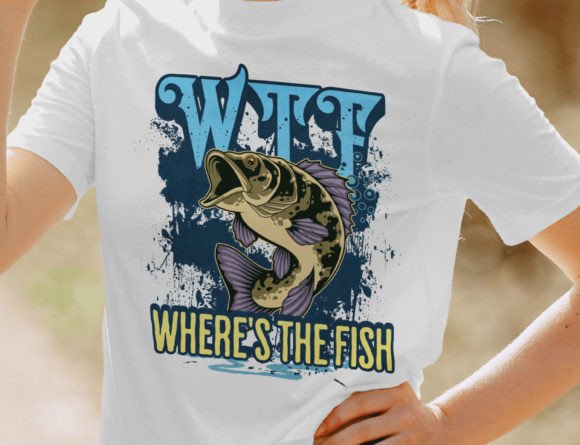
The WTF Where's the Fish PNG lands with an immediate, relatable mood: humorous frustration. The graphic’s style leans into a casual, illustrative vibe that feels hand-drawn and approachable. For a designer considering it for a real client project, the first question is about fit. This asset naturally aligns with projects that don't require corporate stiffness. It's perfect for a local bait shop’s seasonal campaign, a handmade Etsy brand selling fishing-themed merch, or a brewery hosting a fishing tournament. The visual tone is playful and slightly irreverent, which can be a powerful tool for engaging a specific, relaxed audience.
Where This Graphic Design Asset Shines in Real Client Work
As a digital product intended for printable designs and sublimation, its utility is broad within that playful niche. For a t-shirt design, it’s a strong, central graphic. It could serve as a hero graphic on a product mockup for a fishing tumbler or tote bag. In marketing visuals, it becomes an excellent focal point for social media graphics announcing a sale or event. On a flyer for a community fishing derby, it immediately sets a lighthearted tone. Because it’s a downloadable PNG file, integrating it into Canva templates or Cricut projects for sticker design is straightforward. It works best when given space—large layout areas let its character shine.
Supporting Brand Identity for Handmade Businesses
For a small business branding project, like a boutique selling handcrafted fishing lures or outdoor apparel, this PNG can be a key decorative accent. It can reinforce a themed collection across packaging details, adding a consistent, friendly visual thread to product labels or website graphics. It’s not a logo, but it can be a strong supporting brand element that builds emotional appeal and recognition within a specific community.
The Practical Limits: Where to Use with Care
Professional designers must also judge where an asset might struggle. The WTF Where's the Fish PNG should be used carefully in small sizes, as its illustrative details could become muddled. Avoid crowded layouts where it competes for attention. On complex backgrounds, its readability could suffer. It’s inherently not suited for minimalist branding or projects demanding very clean visual hierarchy. It would feel out of place in professional corporate materials or formal editorial design. The humor is its strength, but that defines its boundaries.
Readability, Contrast, and Final Polish
Before committing this asset to a client’s commercial design project, run practical tests. Preview it at both small and large sizes. Test it in black and white to ensure its forms hold up. Check contrast on light and dark backgrounds; the PNG transparency is useful here, but always verify how it sits over your chosen colors. Place it on real mockups—a t-shirt, a mug, a poster—to see how it scales. For print-on-demand, test print quality at home if possible. Its style pairs well with casual sans-serif or display fonts; a formal serif would clash. Crucially, always confirm the commercial licensing before use.
Integrating the Asset into a Cohesive Design Direction
Imagine a client project: launching an online product line for a fishing enthusiast’s creative marketplace. The WTF Where's the Fish PNG can improve the visual mood of the entire launch. On digital ads, it grabs attention. On Pinterest pins and Instagram posts, it fosters engagement. On packaging design for a limited-run product, it adds a memorable, polished detail. It helps the final result feel intentionally designed, not just assembled. For a graphic designer, its value lies in its ability to quickly inject a specific, relatable personality into a project, saving time on custom illustration while maintaining a handmade business feel.
Final Designer Notes for Commercial Use
This is a useful creative asset, but treat it as a component, not a complete solution. Its success depends on context. Use it to accentuate, not dominate, unless the project is centered around its humor. Compare it with other elements in your layout to ensure visual trust and brand consistency are maintained. For web design, ensure it doesn’t slow page loads. For Etsy product listings, use it to create cohesive thumbnail graphics. As a standalone PNG file you can print at home, it offers flexibility, but professional application requires thoughtful integration. In the right project—one that calls for a funny fishing graphic with character—it can be a surprisingly effective tool in a designer’s toolkit.